Lost-wax casting
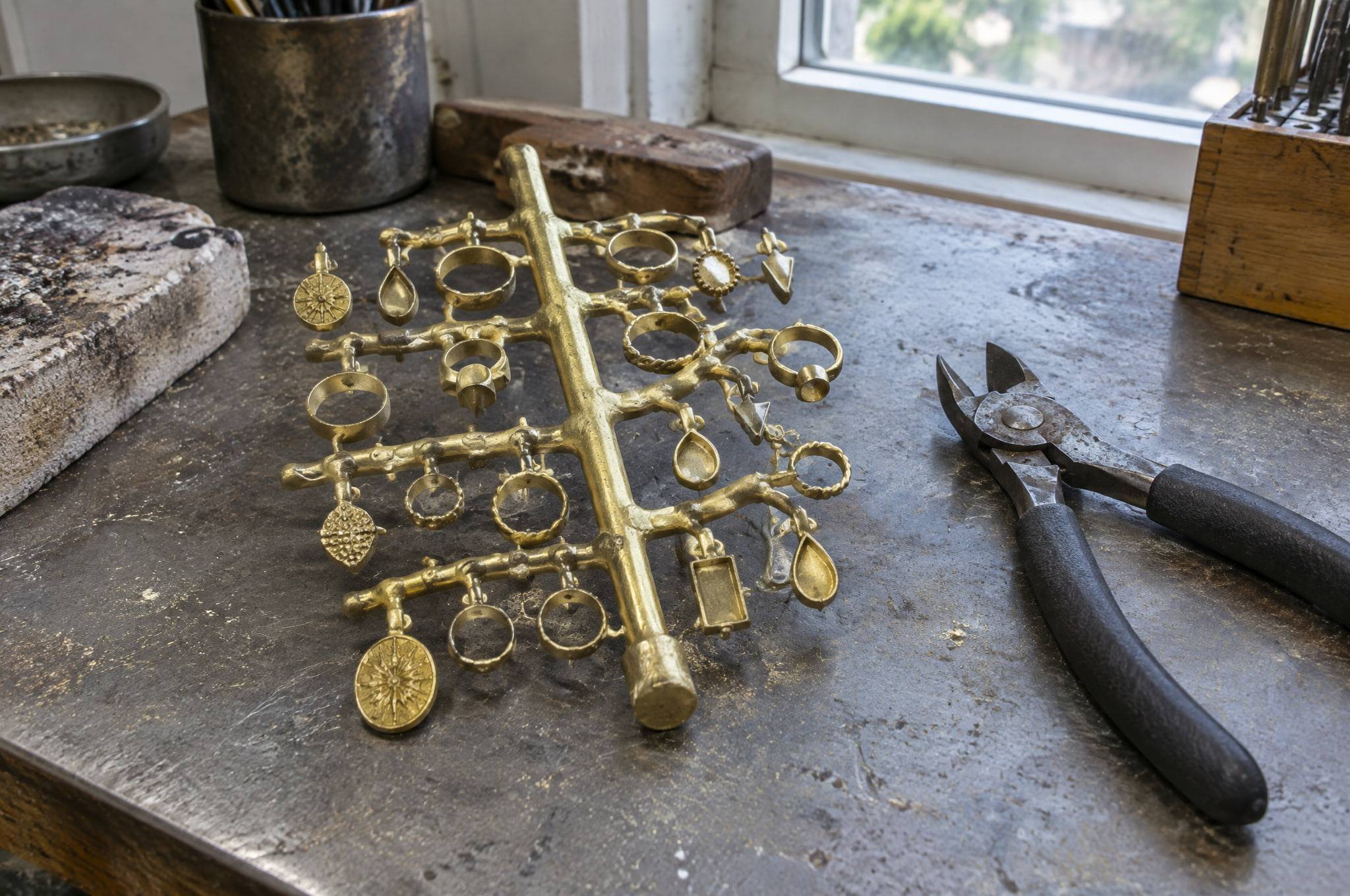
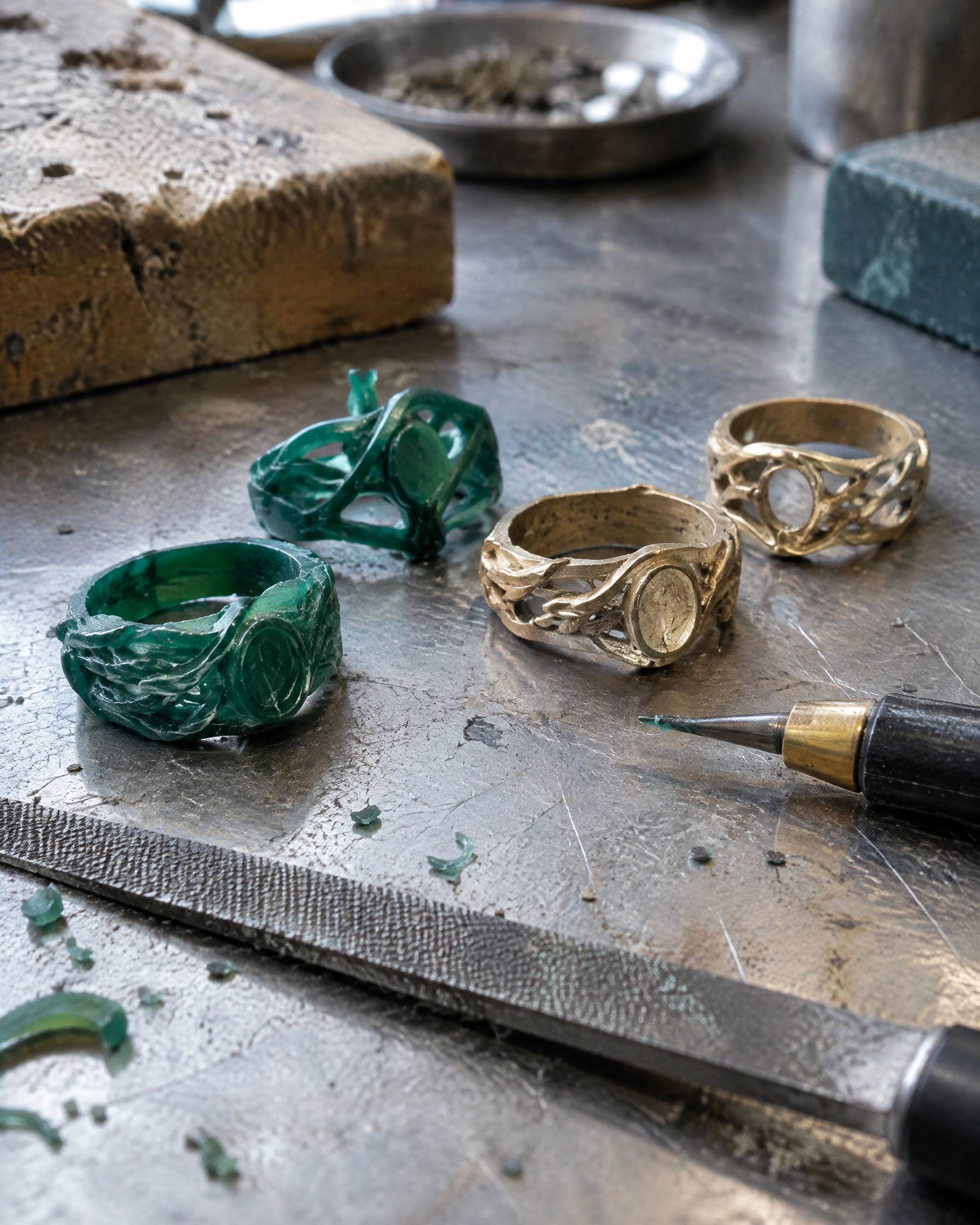
A wax model — hand-carved or printed from a 3D file — is invested in a mold and replaced by molten brass. Rubber molds then allow repeat waxes for production. The usual route for rings, pendants and sculpted shapes.
Jaipur is one of India's historic jewelry cities. Our partner workshops there cast, fabricate, finish and plate brass jewelry for brands — we connect your design to that know-how.
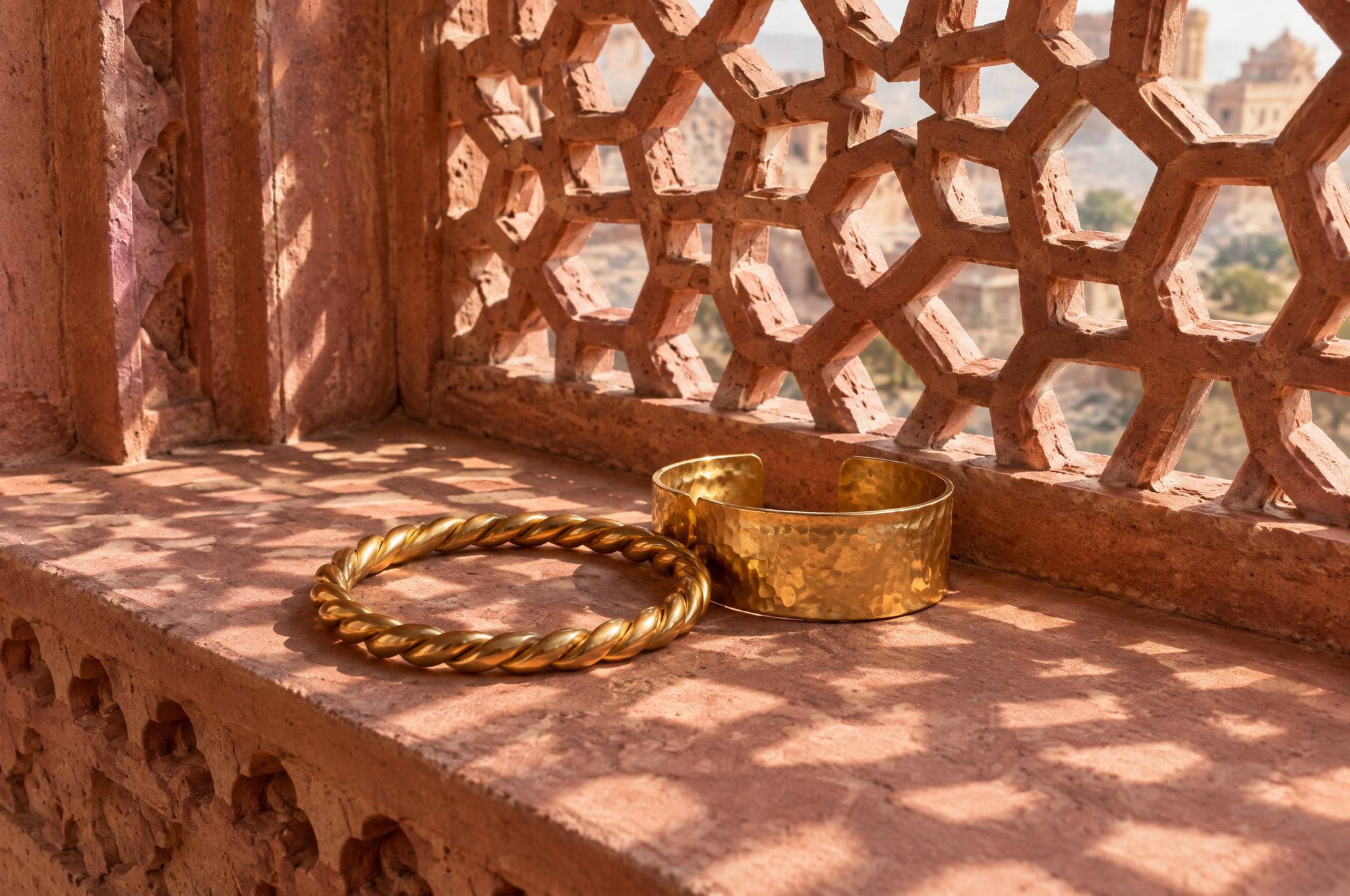
Since its founding in the 18th century, Jaipur has been a center for gemstones and jewelry. The old city still has a market named for its jewelers, Johari Bazaar, and Jaipur remains known worldwide for gem cutting and for traditional techniques such as meenakari enamel and kundan setting.
Today, alongside fine jewelry, the city has a large base of workshops making fashion jewelry in brass and other metals for export. The skills a brass piece needs — model making, casting, hand fabrication, polishing, plating and setting — are all present in the city. That is why we produce there: a correction to a sample can be handled locally, and techniques can be combined in one piece without moving it between regions.
The main techniques behind the pieces we produce. Which ones a design uses is decided with the workshop before quoting, based on its shape, quantity and finish.
A wax model — hand-carved or printed from a 3D file — is invested in a mold and replaced by molten brass. Rubber molds then allow repeat waxes for production. The usual route for rings, pendants and sculpted shapes.
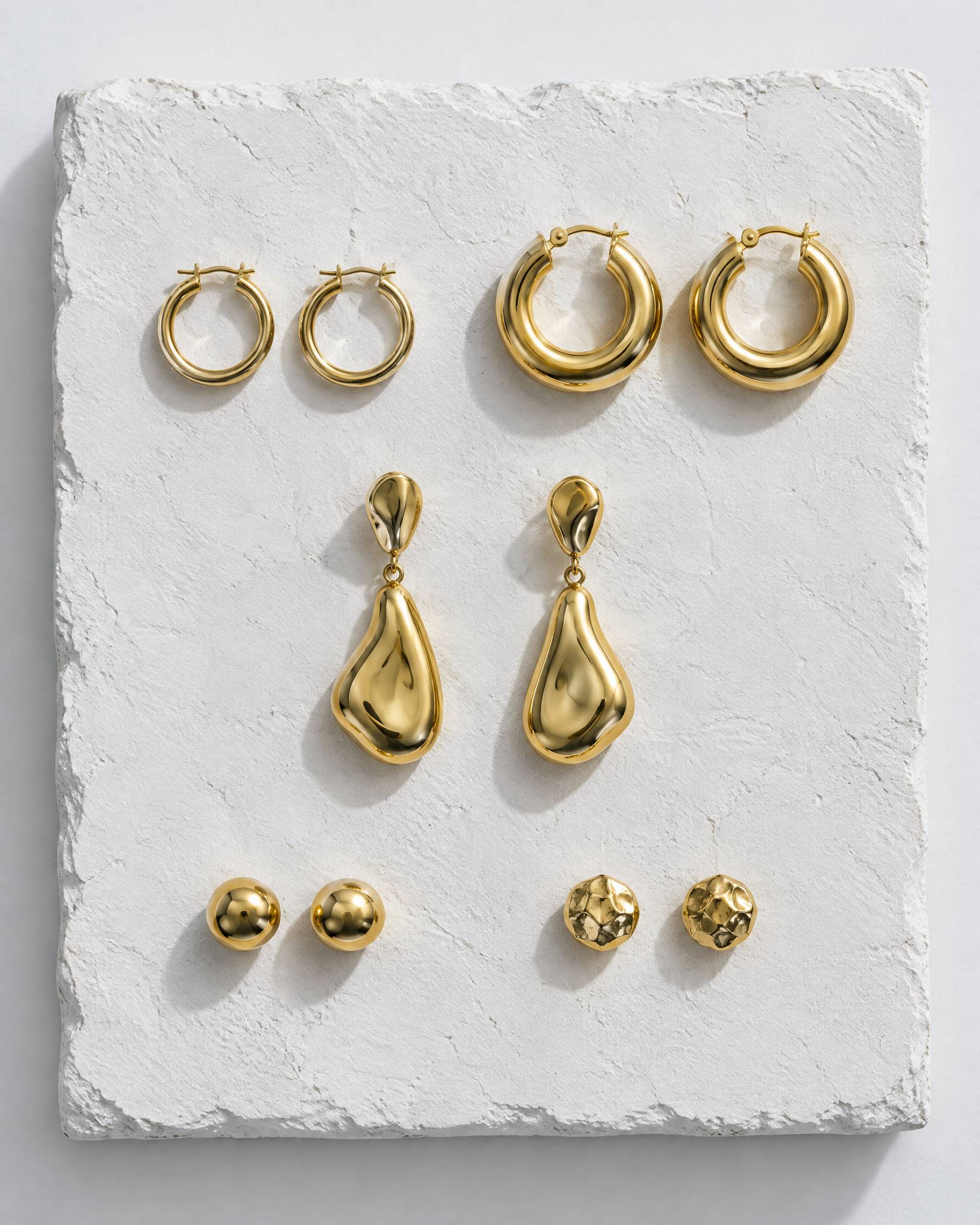
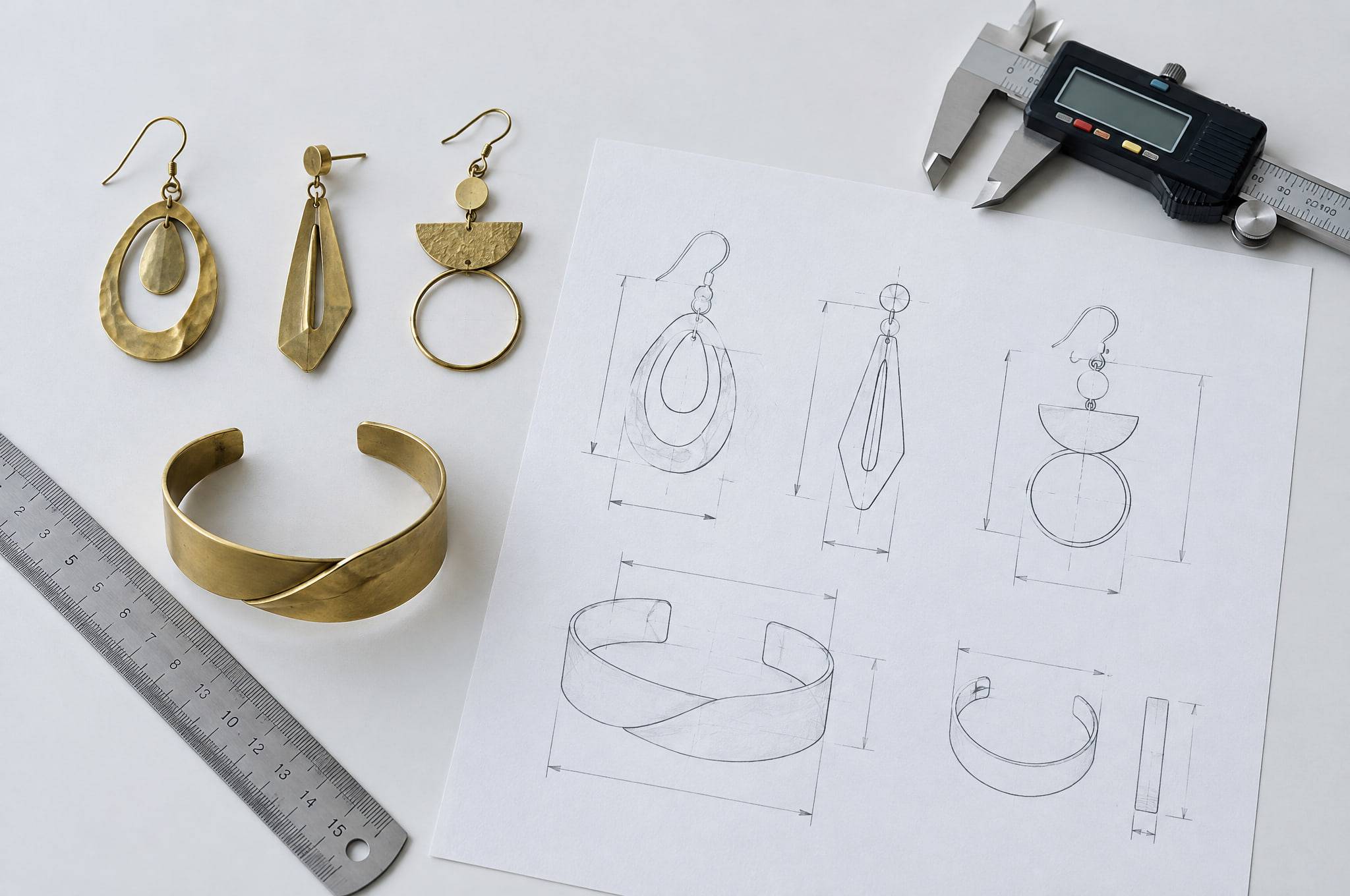
Pieces built from brass wire and sheet: cut, formed, soldered and assembled by hand. Suited to hoops, open shapes, links and lighter constructions.
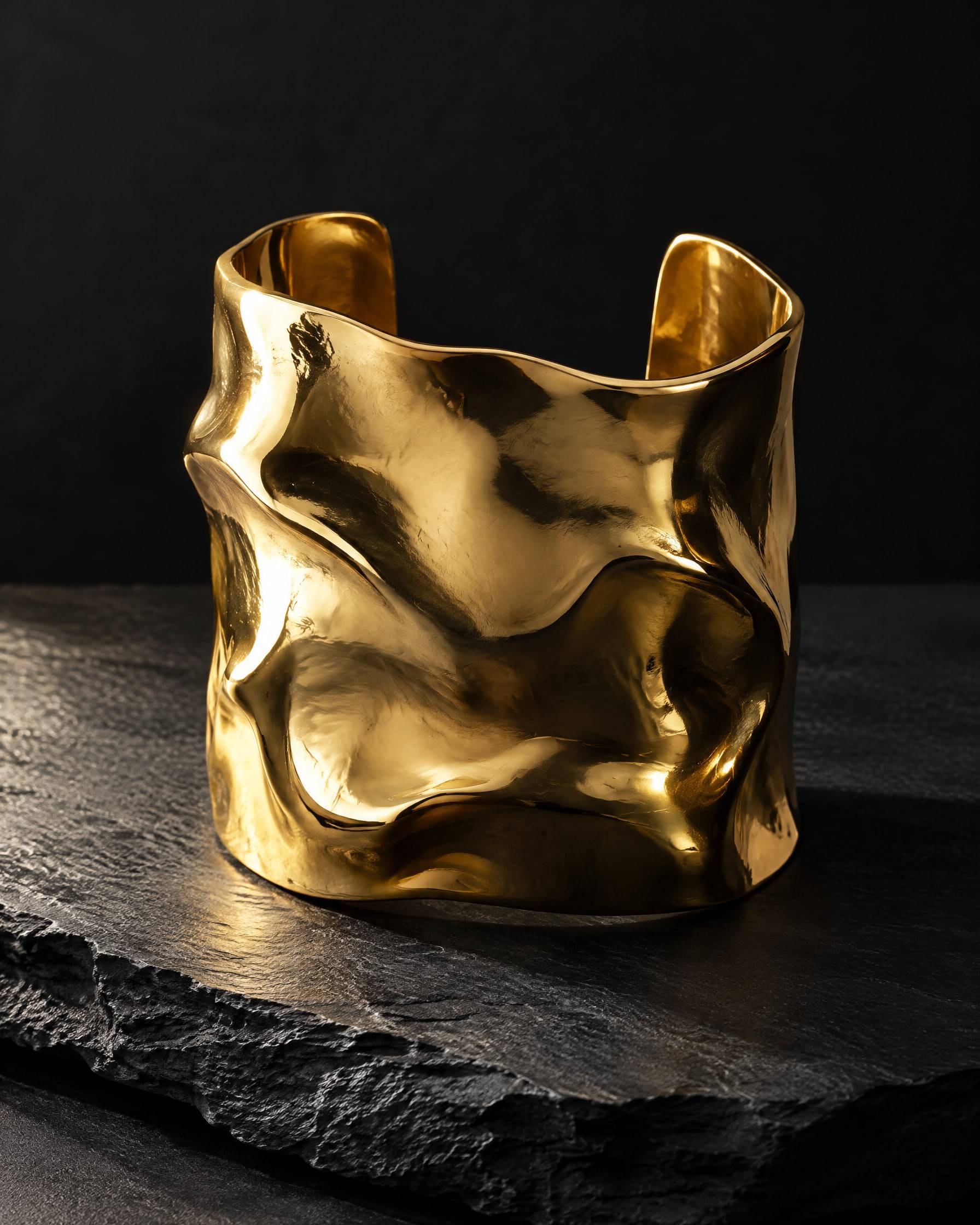
Filing, polishing, brushing, hammering and texturing. The surface is set before plating and changes how the final piece looks.
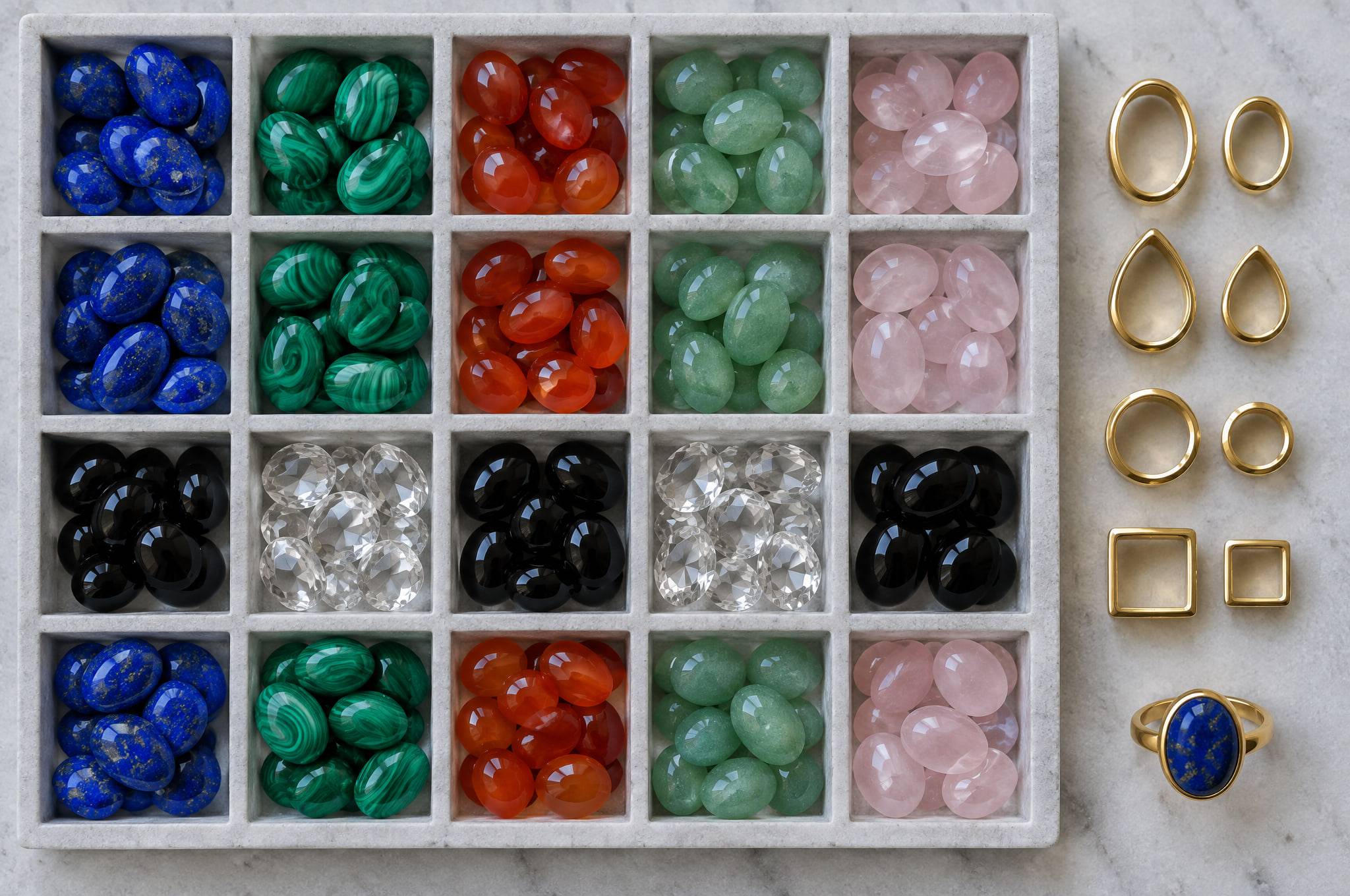
Semi-precious stones — cabochons, faceted stones, rock crystal — selected, matched and set in bezels or prongs made for each stone. The city's oldest specialty.
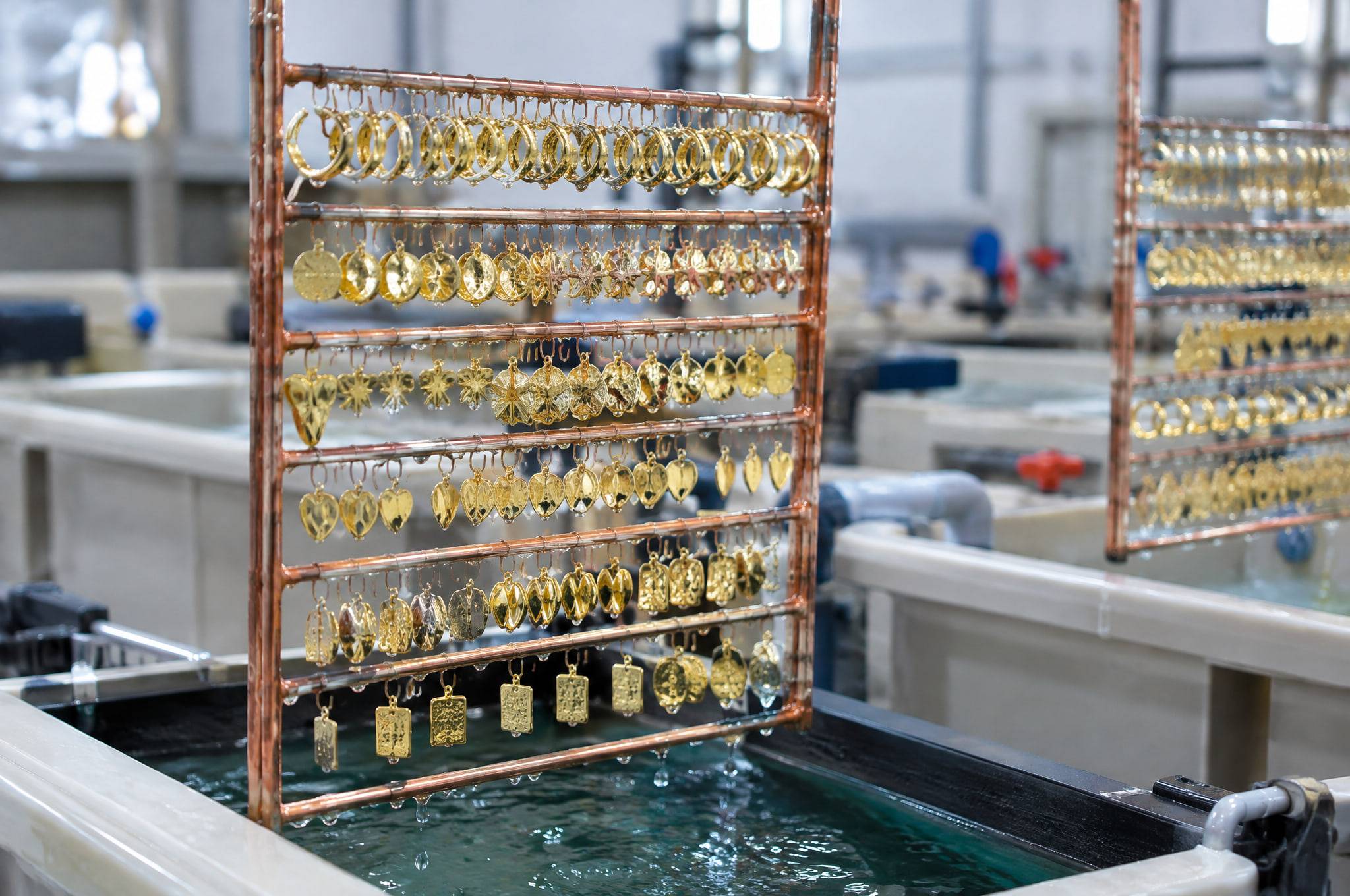
Electroplating of the finished brass piece to an agreed gold color and thickness, inspected on the sample before production.
Inspired by meenakari, kundan or other traditional Jaipur work? Describe it in your brief. Feasibility in brass, and for your quantities, is confirmed with the workshop before anything is promised.
Working directly with a workshop on another continent is possible, but it takes time: briefing in the right technical terms, following samples, checking the order before it leaves. We handle that part.
No. We work with independent partner workshops in Jaipur and manage the project between you and them: specification, samples, follow-up and checks. We say this plainly because it matters when you choose a supplier.
Ask us. Visits are arranged case by case, with the agreement of the workshop concerned.
Yes, 3D files are a common starting point for cast pieces. Send them with your request; we confirm the file format and any adjustments needed for casting in brass.
A few sketches, photos of pieces you love, or a technical file — whatever you have is enough to start. First collections are welcome; you do not need a final budget to ask.
You can send sketches, reference photos, CAD files, a quantity per design and a finish.